Stem Cells After Stroke: Can Regenerative Medicine Help the Brain Recover? Understanding MSCs, Neuroplasticity, and the Emerging Science of Post-Stroke Regenerative Medicine By Dr. Daryl Joel Dumdum, MD, DFM, FSRM
Stroke remains one of the leading causes of long-term neurological disability. For many survivors, surviving the acute event is only the beginning.
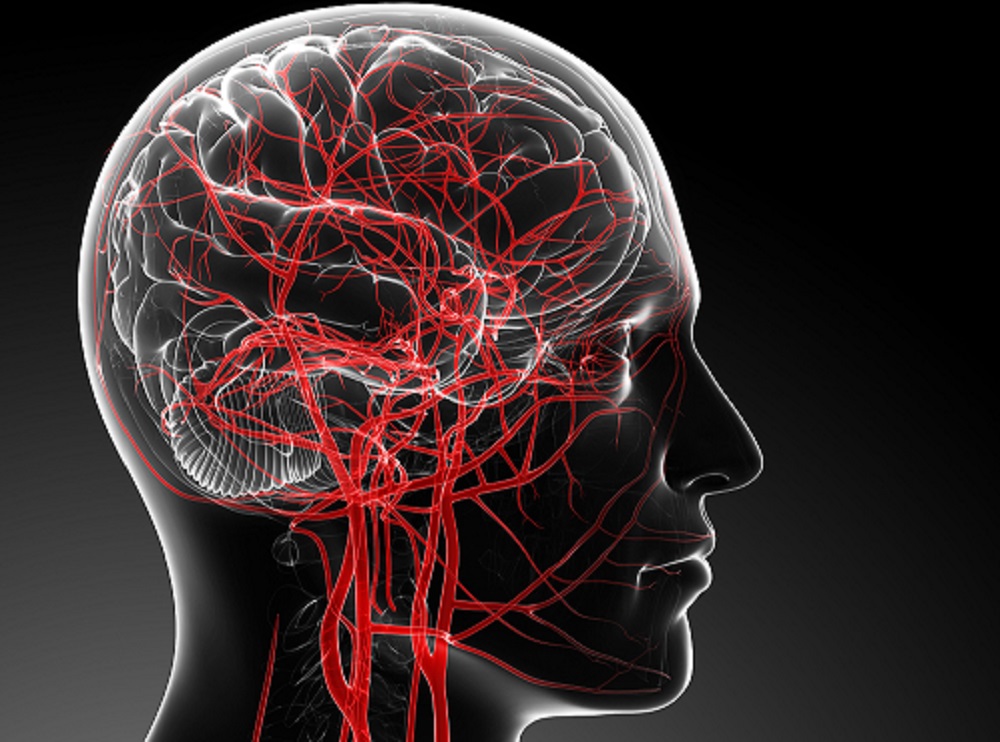
Months or even years afterward, patients may continue to experience weakness, impaired sensation, poor balance, spasticity, difficulty walking, speech problems, fatigue, and loss of independence.
This naturally leads patients and their families to ask:
“Can stem cells help the brain recover after a stroke?”
The scientific answer is promising — but still evolving.
What Happens to the Brain After Stroke?
An ischemic stroke occurs when blood flow to part of the brain becomes interrupted, depriving neurons of oxygen and nutrients.
Some brain cells die during the initial injury, while surrounding tissues may experience inflammation, oxidative stress, vascular dysfunction, and disruption of neural networks.
Yet the brain also possesses an extraordinary ability:
Neuroplasticity.
Neuroplasticity refers to the nervous system’s ability to reorganize its connections and adapt after injury.
This is one reason rehabilitation remains fundamental to stroke recovery.
Where Do Stem Cells Fit In?
Mesenchymal stromal/stem cells, or MSCs, have attracted significant attention in stroke research.
The modern hypothesis is not simply that MSCs travel to the brain and transform into millions of replacement neurons.
Their potential effects appear considerably more complex.
Researchers are studying whether MSCs can influence the injured neurological environment through:
• immunomodulation
• anti-inflammatory signaling
• secretion of growth factors
• angiogenic signaling
• neurotrophic support
• extracellular vesicle communication
These mechanisms could theoretically create an environment more supportive of neurological repair and plasticity.
What Does Human Research Show?
Clinical trials and systematic reviews have investigated stem-cell-based interventions after ischemic stroke.
Some studies have reported improvements in neurological or functional measures among treated groups. However, results across trials remain heterogeneous.
Important differences exist in:
• stem cell source
• cell dose
• route of administration
• timing after stroke
• patient characteristics
• severity of neurological injury
• rehabilitation programs
• outcome measures
This makes it difficult to conclude that there is one universally established “stem cell protocol for stroke.”
A 2024 systematic review and meta-analysis examining MSC therapy in ischemic stroke reported encouraging findings while also highlighting the need for larger and better standardized trials.
Regeneration Is Not a Single Infusion
One misconception I frequently encounter is the idea that regenerative medicine means receiving stem cells and waiting for the body to repair itself.
Stroke recovery is much more complex.
The strongest approach to neurological recovery remains multidisciplinary.
Depending on the patient, this may involve:
• physical rehabilitation
• occupational therapy
• speech therapy
• cardiovascular risk management
• nutritional optimization
• management of diabetes, hypertension and dyslipidemia
• sleep optimization
• psychological support
Emerging regenerative strategies should complement — not replace — these foundations.
The Importance of Measuring Outcomes
If regenerative interventions are being explored, physicians should measure what actually happens afterward.
For stroke patients, useful objective measures may include standardized neurological and functional assessments, walking capacity, spasticity, balance, activities of daily living and quality of life.
Statements such as “the patient feels better” are valuable clinically but are insufficient for scientific evaluation.
Regenerative medicine becomes stronger when outcomes become measurable.
What Should Patients Expect?
Patients must understand that recovery after stroke varies tremendously.
Age, location and size of the stroke, time since injury, baseline neurological function, rehabilitation intensity and other medical conditions all influence prognosis.
No responsible physician should guarantee that stem cells will restore lost neurological function.
Instead, the conversation should center on:
What does the evidence suggest?
What remains experimental?
What are the potential risks?
What outcomes will we monitor?
A New Frontier in Neurological Recovery
Stem-cell research has opened an exciting chapter in neurological medicine.
But the goal is not to replace established stroke rehabilitation.
The greater opportunity may be learning how regenerative biology can eventually work alongside rehabilitation and neuroplasticity.
The future of post-stroke treatment could therefore become increasingly multidisciplinary — combining neurology, rehabilitation, cellular science, metabolic health and precision medicine.
For patients who have been told that recovery has reached its limit, this research offers something valuable:
Not a guarantee.
But a scientific reason to continue asking what might still be possible.
About the Author
Dr. Daryl Joel Dumdum, MD, DFM, FSRM is a Diplomate in Family Medicine and Fellow in Stem Cell and Regenerative Medicine. His professional interests include regenerative medicine, cellular therapies, neurological recovery and clinical research in the Philippines.


Comments
Post a Comment