Stem Cell Therapy for Knee Osteoarthritis: Hope, Hype, or Evidence? What Patients Should Know Before Considering Regenerative Medicine for Joint Pain
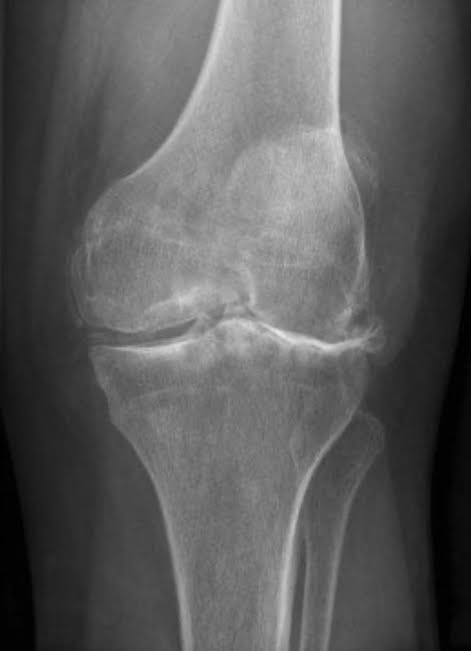
Knee osteoarthritis is one of the most common reasons patients become interested in regenerative medicine.
The story is familiar.
Knee pain begins gradually.
Walking becomes uncomfortable.
Stairs become difficult.
Exercise decreases.
Pain medications become more frequent.
Eventually, the patient begins searching online and encounters terms such as:
PRP. Stem cells. MSCs. Exosomes. Cartilage regeneration.
But how much of this is supported by science?
Understanding Osteoarthritis
Osteoarthritis is more complicated than simply having “worn-out cartilage.”
It involves the entire joint environment, including cartilage, synovium, subchondral bone, ligaments and inflammatory signaling.
This is one reason regenerative medicine has become an attractive research area.
Instead of merely suppressing pain, researchers are asking whether biologic interventions could influence the joint environment itself.
Why Are MSCs Being Studied?
Mesenchymal stromal/stem cells possess properties that make them interesting for musculoskeletal research.
MSCs can release signaling molecules involved in:
• inflammatory regulation
• tissue repair
• immune modulation
• extracellular matrix biology
The therapeutic hypothesis is therefore broader than simply “inject stem cells and grow new cartilage.”
What Does the Evidence Show?
This is where the discussion becomes particularly interesting.
Several randomized trials and meta-analyses have reported improvements in pain and function following MSC-based interventions for knee osteoarthritis.
However, not every analysis reaches the same conclusion.
Some reviews suggest clinically meaningful improvements, while others find that average benefits may be smaller or less certain when compared with appropriate controls.
Why?
Because “stem cell therapy” is not one standardized intervention.
Studies differ in:
• cell source
• preparation
• dose
• injection technique
• osteoarthritis severity
• comparator treatment
• rehabilitation
• follow-up duration
Therefore, patients should be cautious when one positive study is presented as proof that all stem-cell products work.
Can Stem Cells Regrow Cartilage?
This is another common question.
Some research has explored structural changes following cell-based interventions, but demonstrating meaningful cartilage regeneration in humans is much more difficult than showing improvement in pain.
Pain relief does not automatically mean cartilage has regenerated.
That distinction matters.
MRI findings, cartilage measurements, clinical symptoms and functional improvement are different outcomes.
Who Might Be Considered for Regenerative Approaches?
Patient selection matters enormously.
A younger patient with moderate osteoarthritis is biologically different from an elderly patient with severe deformity, major malalignment and end-stage joint destruction.
Regenerative interventions should therefore not be presented as universal alternatives to knee replacement.
For some patients, conventional management remains the most appropriate option.
Don’t Forget the Fundamentals
Regardless of whether regenerative medicine is considered, osteoarthritis care should address:
• appropriate exercise
• muscle strengthening
• body-weight management when indicated
• physical therapy
• biomechanics
• metabolic health
• appropriate pain management
Biological therapies cannot compensate for every mechanical problem.
The Future of Orthobiologics
Musculoskeletal regenerative medicine remains one of the most active areas of cellular research.
The future may involve better patient selection, standardized MSC products, biologic biomarkers and more precise combinations of rehabilitation and regenerative therapy.
But science requires us to distinguish between:
pain improvement, functional improvement and true tissue regeneration.
Those are not necessarily the same thing.
For patients considering stem cell therapy for knee osteoarthritis in the Philippines, the best first step is therefore not simply asking:
“How many million stem cells do I need?”
The better question is:
“What exactly is causing my knee problem, and what evidence-based options are appropriate for my particular stage of disease?”
That is where responsible regenerative medicine begins.
About the Author
Dr. Daryl Joel Dumdum, MD, DFM, FSRM is a Diplomate in Family Medicine and Fellow in Stem Cell and Regenerative Medicine with interests in regenerative medicine, preventive healthcare and evidence-informed cellular therapy.
Medical Disclaimer: This article is educational and does not establish MSC therapy as standard treatment for knee osteoarthritis. Treatment decisions should be individualized.


Comments
Post a Comment