A Stroke Survivor’s Journey Through Regenerative Medicine
A Stroke Survivor’s Journey Through Regenerative Medicine
A Physician’s Narrative from Davao City
Author:
Dr. Daryl Joel Dumdum, RN, MD, DFM
Diplomate in Family Medicine
Sure Health 360 Center for Regenerative Medicine and Cell Therapy
Lanang Premiere Doctors Hospital
Davao City, Philippines
When Recovery Reaches a Plateau
One of the most difficult moments in stroke recovery occurs when a patient has already completed standard rehabilitation but still struggles with persistent neurological deficits.
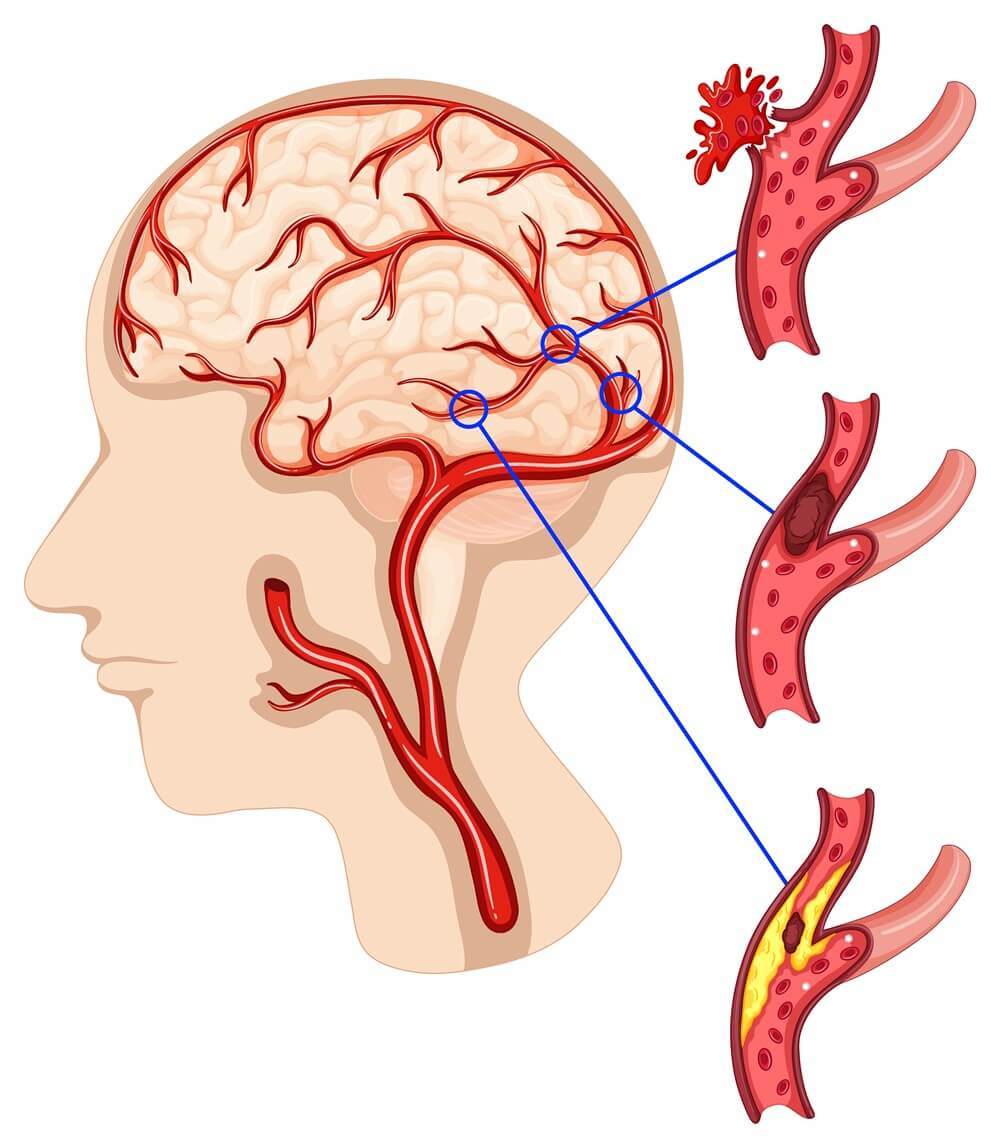
I recently managed a patient who had survived a cerebrovascular accident several months earlier. Although his life had been saved during the acute phase of stroke management, the neurological consequences remained significant.
The patient continued to experience:
• weakness of the left arm
• impaired sensation on the affected side
• reduced motor coordination
• difficulty maintaining balance during certain activities
Like many stroke survivors, he had already undergone conventional rehabilitation therapy. While he had achieved some improvement, his recovery had reached what many clinicians call a functional plateau.
At this stage, we began discussing whether regenerative medicine approaches could potentially support further neurological recovery.
A Comprehensive Regenerative Medicine Approach
At Sure Health 360 Center for Regenerative Medicine and Cell Therapy in Davao City, our approach to neurological recovery focuses on combining multiple biologic and metabolic therapies that aim to support cellular repair.
After careful evaluation and informed consent, the patient underwent a structured regenerative protocol that included:
Hyperbaric Oxygen Therapy (HBOT)
60 treatment sessions
Hyperbaric oxygen therapy increases oxygen delivery to tissues and may enhance cellular metabolism, angiogenesis, and neuroplasticity. Studies have suggested that HBOT may support neurological recovery in selected post-stroke patients.
Metabolic Support Therapy
The patient also received:
• 8 sessions of NAD+ therapy
• NutriBoost metabolic infusions
NAD+ plays an important role in mitochondrial function and cellular energy metabolism. Optimizing metabolic pathways may support neurological recovery and improve cellular resilience.
Mesenchymal Stem Cell Therapy
The core regenerative therapy involved:
150 million Mesenchymal Stem Cells (MSC) administered via intravenous infusion.
Mesenchymal stem cells are being widely studied for their ability to:
• modulate inflammation
• release growth factors
• support tissue repair
• enhance neuroregenerative signaling
Rather than replacing damaged neurons directly, current evidence suggests that MSCs work primarily through paracrine signaling and immunomodulation, helping create an environment favorable for recovery.
Observed Clinical Improvements
Over the course of therapy and follow-up monitoring, the patient demonstrated encouraging clinical progress.
Gradual improvements were noted in several functional domains:
• improved balance and coordination
• increased motor control
• reduction in arm weakness
• noticeable return of sensation in the previously affected left arm
One of the most meaningful moments occurred when the patient described feeling sensory feedback in his arm that had previously been absent.
For stroke survivors, even small neurological improvements can significantly impact quality of life.
The Role of Neuroplasticity
Stroke recovery is closely tied to the brain’s remarkable ability to reorganize itself — a phenomenon known as neuroplasticity.
Regenerative therapies may potentially support this process by:
• improving cellular microenvironment
• enhancing oxygenation
• stimulating growth factor signaling
• modulating inflammation
When combined with rehabilitation and metabolic optimization, these therapies may provide additional support for neurological recovery.
Continuing the Recovery Journey
The patient’s recovery remains an ongoing process.
Because regenerative medicine protocols often require staged treatment strategies, he is currently scheduled for a second cycle of therapy after six months to further support neurological improvement.
Continued monitoring will focus on:
• motor strength
• sensory function
• balance and coordination
• overall neurological function
A Physician’s Reflection
Cases like this remind me that medicine continues to evolve.
While conventional stroke treatment remains essential, advances in regenerative medicine, cellular therapy, and metabolic optimization may open new possibilities for patients who previously had limited options after neurological injury.
As physicians, our responsibility is to continue exploring these therapies responsibly, guided by scientific evidence, patient safety, and ethical practice.
The Science of Hope
Stroke recovery can be a long and challenging journey for both patients and families. Each step forward — whether large or small — represents progress.
Regenerative medicine may offer new avenues of support for patients striving to regain function and quality of life.
At Sure Health 360 in Davao City, our mission remains grounded in a simple philosophy:
Advancing science while offering hope.
Author:
Dr. Daryl Joel Dumdum, RN, MD, DFM
Fellow in Stem Cell and Regenerative Medicne
Diplomate in Family Medicine
Sure Health 360 Center for Regenerative Medicine and Cell Therapy
Lanang Premiere Doctors Hospital
Davao City, Philippines


Comments
Post a Comment